
When one thinks of an Advanced Placement class, they may imagine piles of homework, difficult exams, and a classroom containing the brightest upperclassmen. What some might not realize is that not all Advanced Placement students are upperclassmen; some are freshmen.
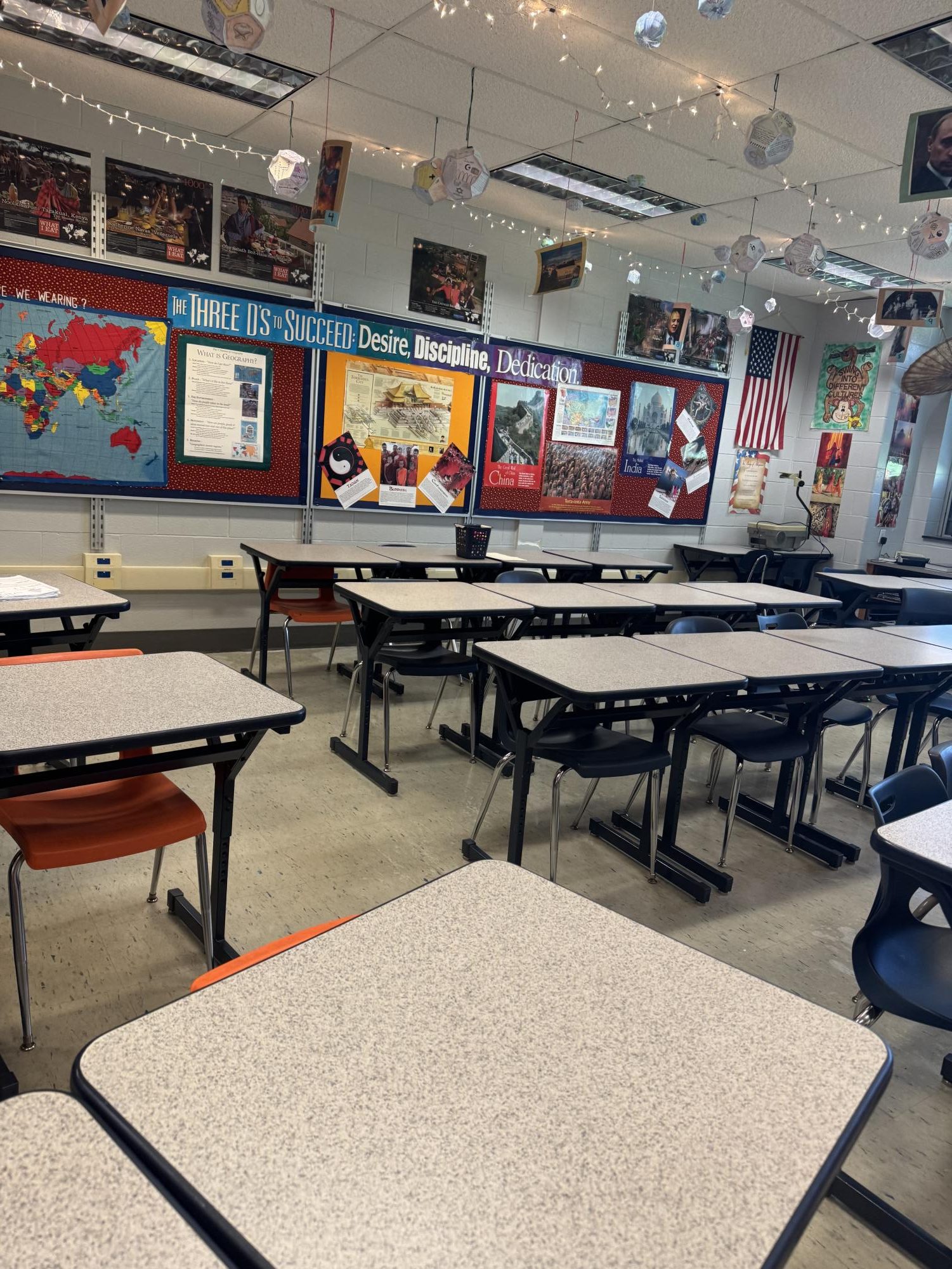
In AP Human Geography, ninth graders work through the intense curriculum alongside seniors.
This may seem unimaginable, but in reality there are plenty of diligent, capable freshmen longing for the challenge of an AP class.
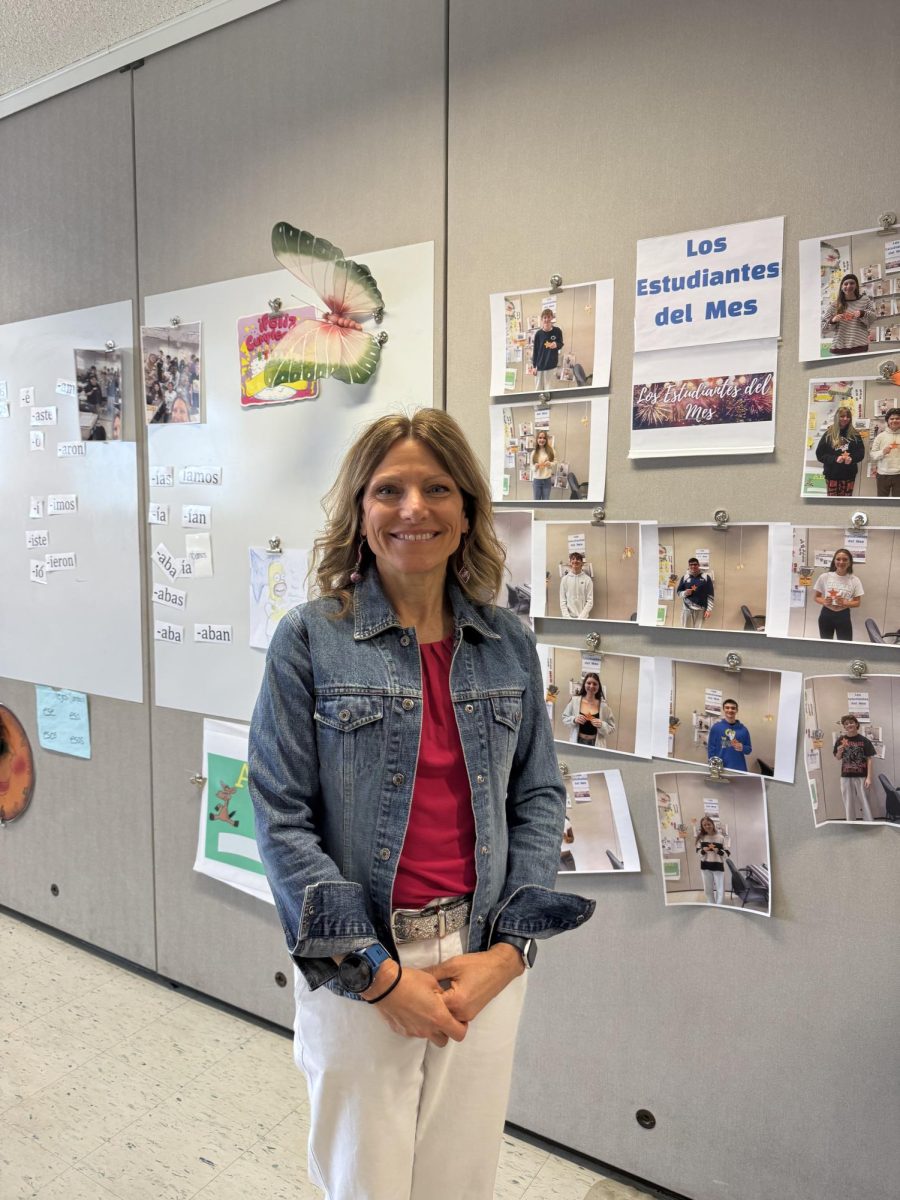
In fact, Amy McKenzie, the Human Geography teacher, has about 15 to 20 ninth grade students that take the class each year.
Getting a head start on their higher-level education can be greatly beneficial for ninth graders: a sentiment with which McKenzie evidently agrees.
“[AP Human Geography] helps [freshmen] understand what the expectations are for the AP classes throughout their high school career. They learn how to manage their time, study habits, and critical writing skills,” McKenzie said.
In general, the positive impact Advanced Placement courses have on future plans and careers is undeniable. By taking these difficult classes, specifically early in their high school career, students’ confidence and skillsets are bolstered.
“By passing the AP exam, students can walk onto a college campus with credits that they received in high school. Taking an AP course also shows Admission Officers that the student could handle college-level reading and analytical writing,” McKenzie said.
Whether it be readying oneself for a future career or simply improving transcripts, AP classes offer opportunities that other classes do not. At least, ninth grader Sedona Reed seems to think so, as per her motivation for taking the class.
“I wanted a challenge that I feel I would not have gotten in World Cultures. I also wanted to prepare myself for future APs with an easier one,” Reed said.
However, AP classes are not for everyone. The mental exertion and hard work required is more than enough to dissuade many students from taking them. Freshman Grace Joseph, however, is not among them.
“The tests are extremely hard with very concentrated material, so it impacts grades a lot. It can be a little shaking if you’re used to getting really good grades. Also, unlike other classes, you have to really study and work outside of class to comprehend everything,” Joseph said.
Despite this, McKenzie’s freshman students continue to display the work ethic required to pass AP Human Geography. Setting aside time to study outside of class is crucial to their success, according to freshman Devi Sharda.
“I am assigned a lot of homework, and for that, having time management is super important. I take all honors classes plus doing speech and debate and the musical on the side, so work can be taxing but I always get it done!” Sharda said.
All Advanced Placement students certainly have their work cut out for them, but harder material offers room to grow. As McKenzie highlighted, good study habits and time management skills can be achieved through the immense workload, building helpful practices for the future.
Of course, these difficult classes aren’t all stress and struggle. AP curriculum tends to be more engaging, with more room for creativity and critical thinking; this especially applies to Human Geography.
“The discussion in the classroom is exciting and students volunteer regularly. Watching the students as they learn the skills associated with answering the FRQs along with the moments when they realize all the units are interconnected and fit together like puzzle pieces is wonderful,” McKenzie said.
Overall, Advanced Placement classes can be exciting as well as overwhelming. This makes it even more impressive that high school students, but particularly ninth graders, are able to power through the difficult material and expectations of these courses.